Walking the Way | Enspirit
I watched the Odyssey last night with Lucas and Rob.
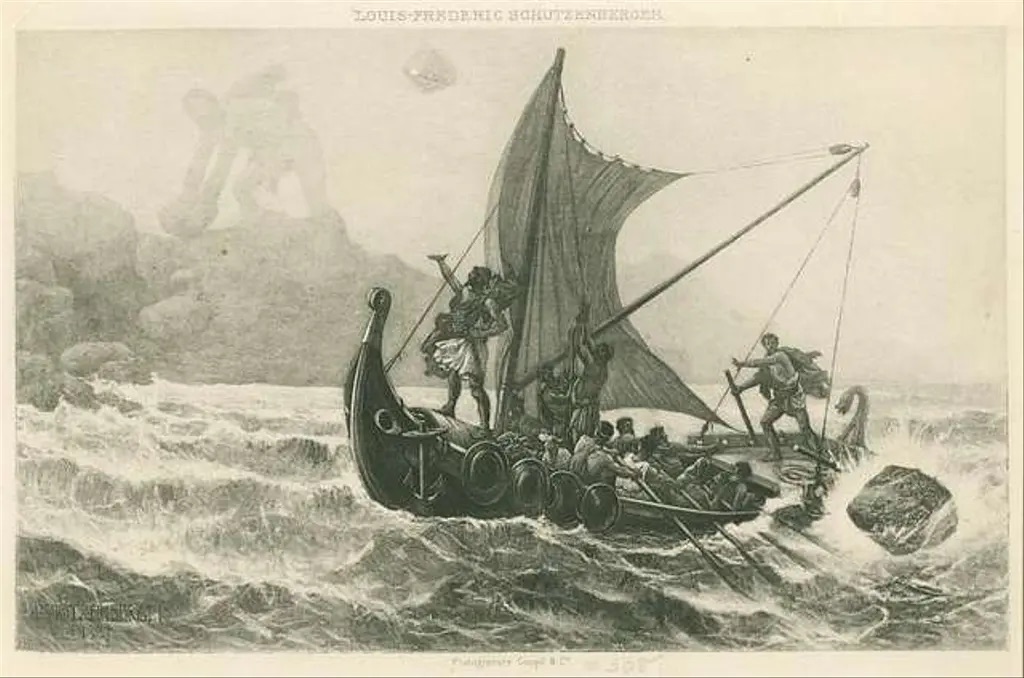
I’d known Homer’s epic poem for years—read it, taught it, referenced it in sermons. But watching it unfold on screen was something different. Something personal. By the time it was over, I sat quietly for a moment, because I realized I wasn’t just watching Odysseus struggle to find his way home.
I was watching all of us.
The Story We’re All Living
Homer’s classic work has many themes, but the overarching one is Odysseus’ desperate effort to return home. After being gone for years, the long journey home becomes the central focus of the entire epic. Everything else—the monsters, the gods, the temptations, the detours—is backdrop to that one burning desire.
To get home.
And here’s what struck me sitting there in the dark: that’s our story too. Each one of us knows the feeling of estrangement—either striking out on our own or giving ourselves to what we perceive as some noble cause. We leave. We wander. We get lost. And then we spend most of our lives trying to make our way back to our true selves, back to what matters most, back to the place where we belong.
Home.
Not a geographic location. Not a house or a hometown. But that deeper place of belonging, authenticity, and peace. The place where we finally feel like ourselves again.
The Wilderness We Avoid
The theologian Jürgen Moltmann wrote something that has stayed with me. He suggested that what the world needs today are men and women who will enter the inner wilderness of the soul—who will wander through the abysses of self, fight with their demons, and experience Christ’s victory there. Out of that journey, he believed, comes the possibility of creating positive meaning from the loneliness, the silence, the interior emptiness, the suffering, and the poverty of spirit.
That’s a hard invitation. Most of us would rather not go there.
And perhaps that’s exactly why the Spirit led Jesus into the wilderness immediately after his baptism. Before the miracles. Before the sermons. Before any of the public ministry. Jesus had to go into the desert to confront his own inner demons—the temptations, the struggles, the weight of his life and mission.
If Jesus needed the wilderness, what makes us think we can skip it?
The truth is, we can’t. We can avoid it—and most of us do, for as long as we possibly can. But avoidance comes at a cost.
The Flight From Ourselves
Moltmann observed something painfully accurate about human nature: people take flight into relationships, into social action, into political praxis—because they cannot endure what they themselves are. They have, as he put it, “fallen out” with themselves.
Sound familiar?
We fill our calendars so we don’t have to sit with our thoughts. We pour ourselves into causes—good causes, even—to avoid the harder work of facing ourselves. We scroll, we consume, we stay perpetually busy, because silence forces us to listen to our own lives. And our own lives sometimes say things we’d rather not hear.
But here’s what Moltmann makes clear: this avoidance doesn’t just cost us individually. When people throw themselves into practical life because they cannot come to terms with themselves, they simply become a burden to other people. Social praxis and political involvement are not a remedy for the weakness of our own personalities.
In other words: the inner work isn’t selfish. It’s essential. Not just for our own sake, but for everyone around us.
When we don’t take this inner journey seriously, we never find our own voice, our own life, our own purpose. We end up living from someone else’s script—performing a life rather than inhabiting one. And that is a long, exhausting, inauthentic way to live.
Going the Distance
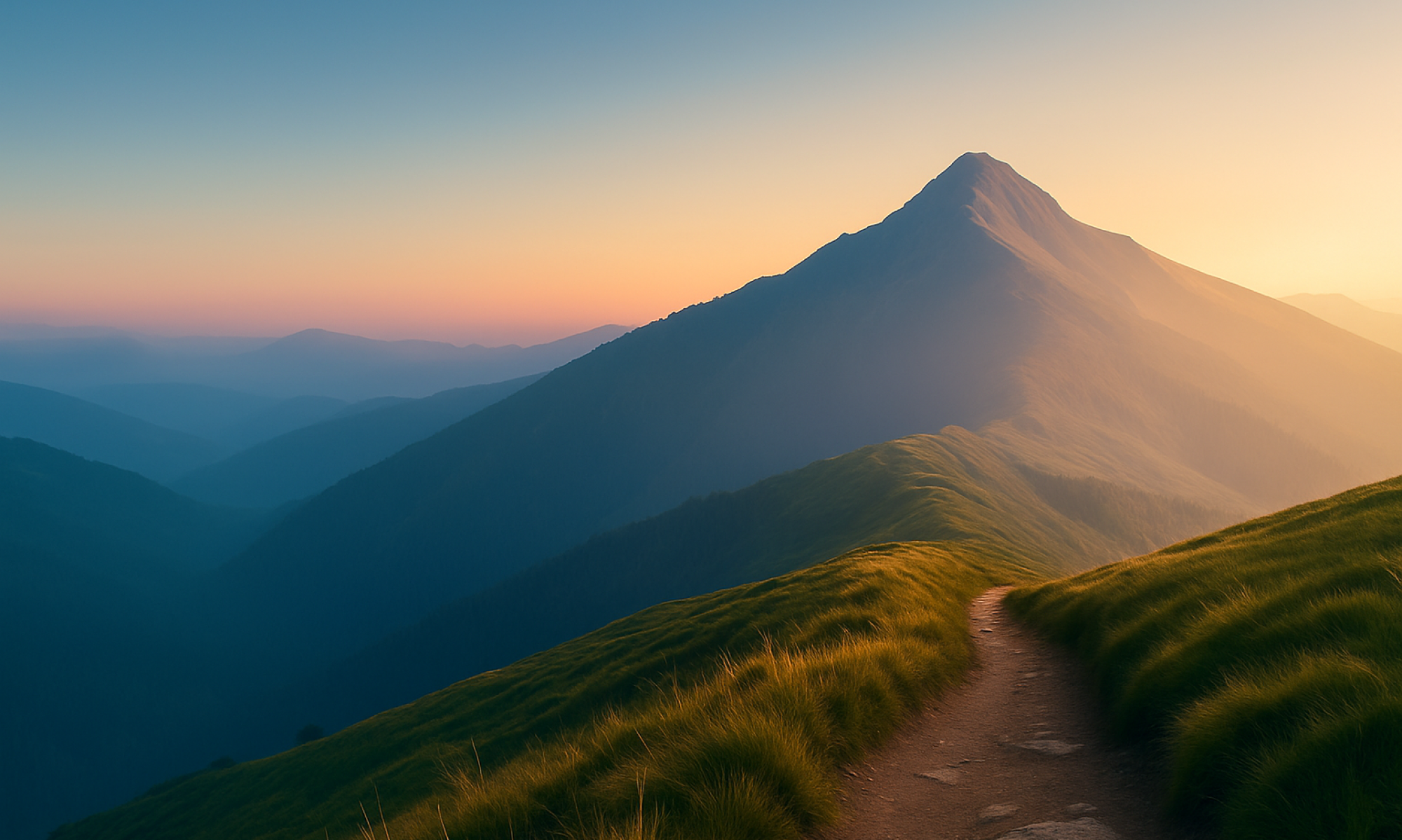
So the challenge is simply this: go the distance.
Take the inner journey. Have the courage to enter your own wilderness. Keep going until you make your way home.
That’s easier said than done.
The inner wilderness is uncomfortable territory. It requires sitting with silence when we’d rather have noise. It requires honesty when we’d rather maintain our illusions. It requires confronting the demons we’ve spent years running from.
But it’s the only path that leads somewhere real.
Odysseus faced monsters, sirens, storms, and gods. His journey home was anything but direct. There were years of detours, setbacks, and moments when home must have felt impossibly far away.
But he kept going. And eventually, he made it home.
The pilgrim’s path is rarely straight. The spiritual journey rarely looks the way we expect it to. There will be wilderness seasons, wrong turns, and moments when we wonder if we’ll ever find our way.
But the invitation remains: keep walking. Keep going. Don’t stop short of home.
Where Is Home?
And where exactly is home?
Augustine was onto something when he wrote in prayer: “Our hearts are restless, O God, until they rest in Thee.”
Home is not a destination we arrive at once and stay forever. It’s a returning—again and again—to the place of deepest belonging. To the God who made us and knows us and calls us by name. To the truest version of ourselves, the self that exists beneath all the performance and pretense and fear.
Jesus called it the kingdom of God. The mystics called it the ground of the soul. Augustine called it rest. Whatever name we give it, we know it when we find it—because something in us finally exhales.
This is what the pilgrimage of faith is ultimately about. Not just traveling to sacred places or checking off spiritual disciplines. But finding our way back—through wilderness and detour and honest inner work—to the home our hearts have always been seeking.
An Invitation for the Journey
I left that movie last night thinking about my own long journey home. The years I spent living too fast to clearly hear that small still voice. The seasons of estrangement from my own voice, my own calling, my own deepest convictions. The slow, sometimes painful process of finding my way back.
And I’m still on that journey. We all are.
So wherever you are today—whether you feel close to home or impossibly far away—I want to offer you this:
Take the inner journey. Have courage. Keep going.
The wilderness won’t last forever. The detours have something to teach you. The demons you’ve been avoiding may be the very things that, once faced, set you free.
And home—that restless, beautiful, long-awaited home—is closer than you think.
 EnSpirit