
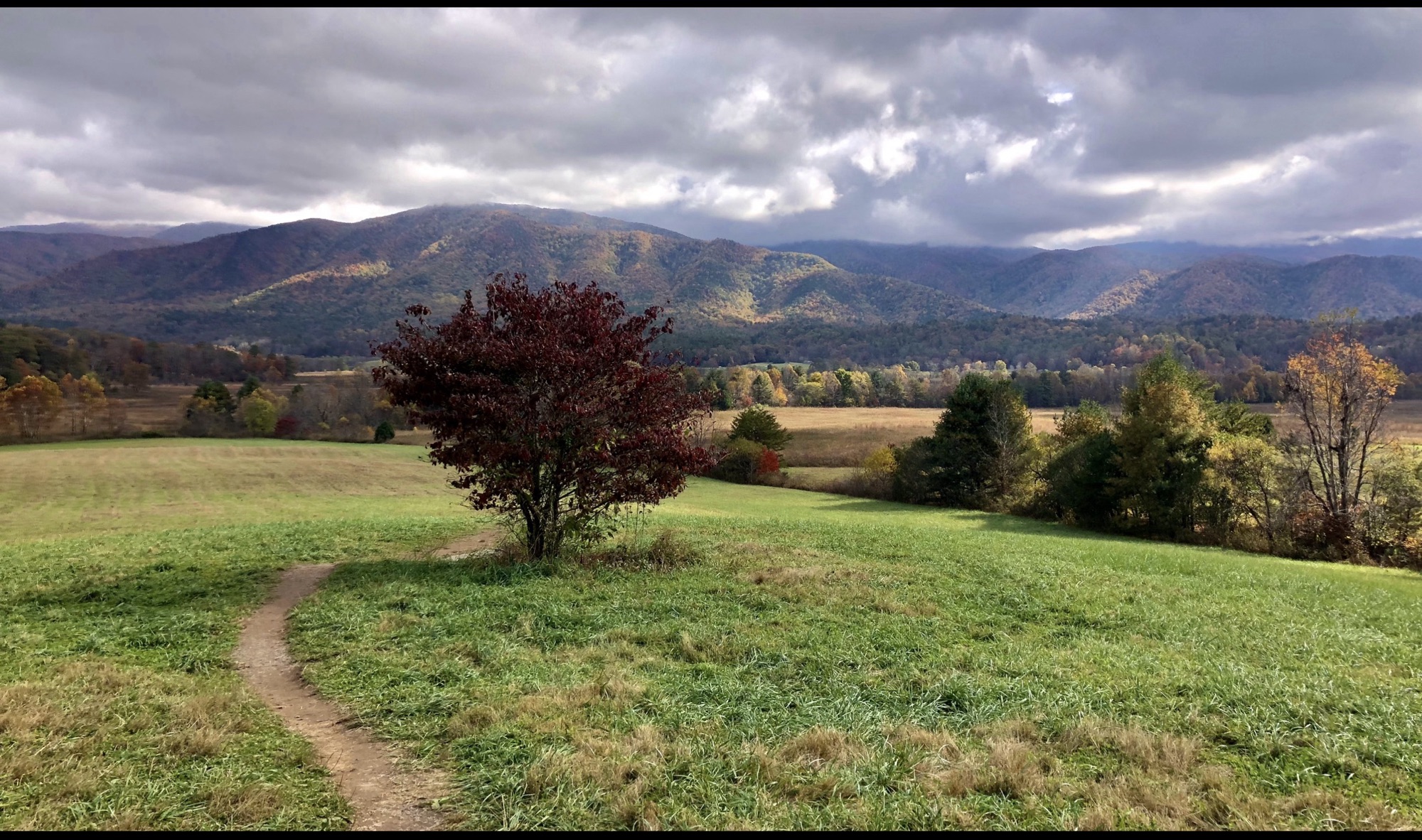
The Courage Not to Go Back
There is a moment in nearly every journey of transformation when the past begins to call our name.
Sometimes softly.
Sometimes relentlessly.
It comes in moments of uncertainty, exhaustion, or fear. It whispers to us when the future feels unclear and the unfamiliar begins to feel overwhelming.
Go back.
Go back to what you know.
Go back to who you were.
Go back to what once worked.
Even if it no longer gives life.
I first began thinking about this while reading Jim Collins’ thoughtful book What to Make of a Life. In one section, Collins reflects on the musical journey of Robert Plant. What struck me was not simply Plant’s success, but his refusal to spend the rest of his life recreating the past.
Rather than endlessly reliving what once worked, Plant continued exploring new musical landscapes and artistic possibilities—folk music, bluegrass, Americana, collaborations that surprised people who only knew him through Led Zeppelin. I found that deeply inspiring. Not simply musically, but personally.
Because in many ways, that is the challenge all of us eventually face.
After the death of drummer John Bonham in 1980, Led Zeppelin came to an end. For many fans, the expectation seemed obvious: eventually the band would reunite permanently and recreate the sound that made them legendary.

And truthfully, Plant could have spent the rest of his life doing exactly that.
The audience would have welcomed it.
The identity was already established.
The path was familiar.
Even years later, after Led Zeppelin no longer existed, the remaining members would occasionally reunite for performances. One pivotal moment came when Plant performed Kashmir alongside Jason Bonham and the surviving members of the band. Speculation about a full-scale reunion exploded almost overnight.
Plant was suddenly faced with a profound decision:
Would he go back?
Would he resurrect the past and step again into what was guaranteed professional and financial success?
According to Collins, Plant withdrew to the mountains of Wales to wrestle with the decision—to hold what Collins called “a meeting with himself.”
I love that phrase.
A meeting with yourself.
Because sooner or later, that is what beginning again requires of all of us.
And when Plant came down from the mountains, his decision was clear.
He would not go back.
Instead, he chose the uncertainty of continued growth. He chose to keep exploring. To keep evolving. To continue expanding his musical horizons through collaborations with artists like Alison Krauss and music that surprised people who expected him to remain frozen in the identity of his past.
He chose something more uncertain.
Rather than living inside the shadow of what had already made him successful, he continued becoming.
In many ways, he chose reinvention over nostalgia.
And perhaps that is one of the hardest choices any of us ever make.
Because there is a strange comfort in returning to the familiar.
Even when the familiar has become limiting.
At least we know how it works.
At least we understand the rules.
At least we know who we are there.
The unknown asks more of us.
It asks us to become someone we have not yet fully met.
I think this is why beginning again can feel so challenging.
It is not simply the challenge of stepping into something new.
It is resisting the temptation to return to what once defined us.
To old identities.
Old patterns.
Old ways of living.
Even when we know deep down that we have outgrown them.
Many of us carry a quiet longing for renewal while simultaneously clinging to what feels safe.
We want transformation without uncertainty.
Growth without discomfort.
A new chapter without releasing the old one.
But life rarely works that way.
Every meaningful beginning requires some kind of leaving behind.
I have seen this in my own life.
There are seasons when I can feel myself pulled backward toward familiar rhythms—not because they are better, but because they are known. Patterns that once gave stability but now feel too small for the person I am becoming.
And if I am honest, sometimes the past feels easier than possibility.
Because possibility requires trust.
That may be one of the deepest truths about beginning again:
The future cannot fully emerge while we are trying to recreate the past.
This does not mean we reject our history.
Our past matters.
The people we have been, the experiences we have lived, the roads we have walked—all of it becomes part of our story.
But the past was never meant to become a permanent residence.
It was meant to prepare us for what comes next.
There is a difference between honoring the past and living inside it.
One brings wisdom.
The other prevents growth.
What I admire about Robert Plant’s journey is not simply that he changed musical styles.
It is that he allowed himself to continue becoming.
He resisted becoming a museum of his former self.
And that takes courage.
Because the world often rewards repetition.
People like familiarity.
They want the version of us they already understand.
But growth sometimes disappoints expectations.
Even our own.
Perhaps that is why beginning again requires courage not only to step forward, but also to resist the pull backward.
To refuse to spend the rest of our lives reliving old versions of ourselves simply because they once worked.
To trust that there are still new songs to sing.
Still unexplored parts of ourselves waiting quietly beneath the surface.
Still possibilities that have not yet emerged.
The temptation to go back is real.
Especially when the future feels uncertain.
But so is the invitation to continue.
To grow.
To evolve.
To step into the unknown with openness instead of fear.
And maybe that is what reinvention truly is.
Not becoming someone entirely different.
But becoming more fully who we were always meant to be.
So wherever you find yourself today—standing between what has been and what could be—pay attention to the direction of your life.
Are you moving forward?
Or simply returning to what feels familiar?
Because sometimes the most courageous step in beginning again is refusing to go back.
It is trusting that the story is still unfolding.
That there are still new possibilities ahead.
That there is still more life waiting for you beyond the boundaries of who you used to be—and beyond the limits of who you once imagined yourself to become.
Reflection
Where in your life are you tempted to go backward simply because it feels familiar?
What old identity or pattern might you be holding onto out of fear?
What would it look like to trust the unfolding of your life instead of recreating the past?
This reflection is part of the Begin Again series exploring renewal, reinvention, and the courage to move forward into the unknown at Enspirit.blog.
 EnSpirit