
We didn’t travel much early in life.
Not because we didn’t want to—
But because we couldn’t.
We didn’t have the means or the margin.
But something shifted, slowly and quietly, some years ago.
Time passed. Responsibilities changed.
And we began to travel.
We boarded planes to places we’d only seen in photographs.
We wandered through cities we’d once read about in books.
We heard languages that weren’t our own, stood in cathedrals we didn’t build, and tasted food we couldn’t pronounce.
And somewhere along the way, I began to understand something:
Travel isn’t just about where you go.
It’s about what opens up in you along the way.
People travel for all sorts of reasons.
Some seek novelty.
Others long for adventure.
Some go to escape, to chase beauty, or to collect experiences like souvenirs.
But I’ve come to believe that one of the most overlooked reasons we travel is this:
We travel to feel awe—that quiet, soul-shifting sense that you are standing in the presence of something vast and transcendent.
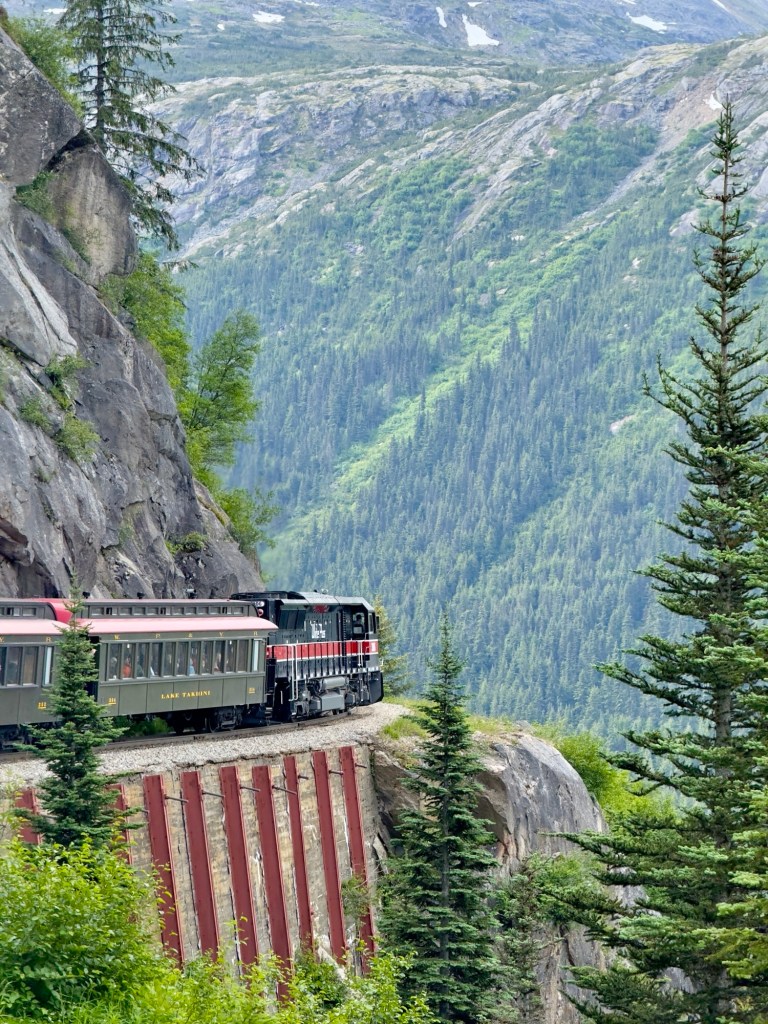
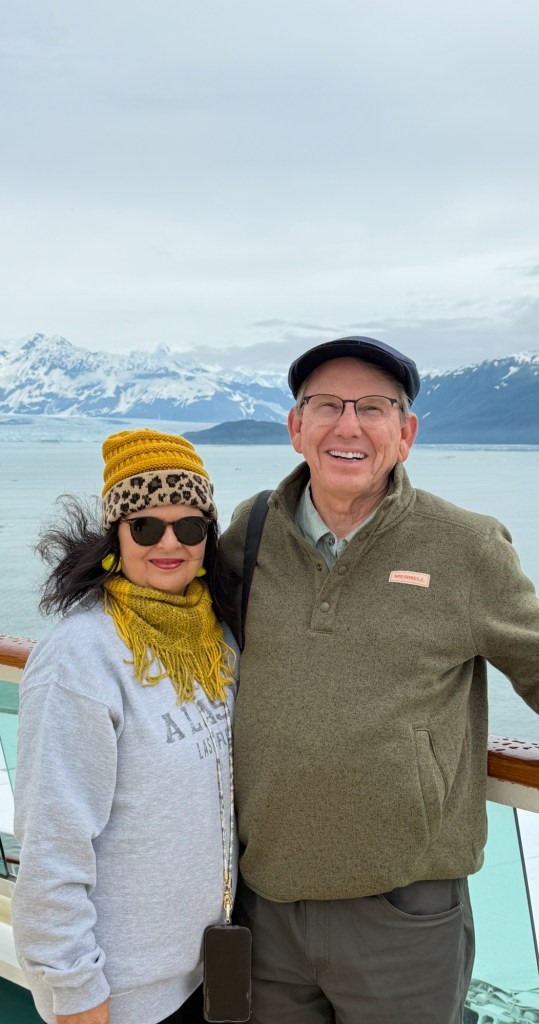
A few days ago, we found ourselves aboard a ship, gliding through the open waters of Alaska.
Glaciers shimmered with blue-white ice beneath the summer sun.
Mountains rose to the sky with snow-draped slopes.
Sea otters played near the rocky shore.
And whales moved through the sea like living psalms—rising and then diving back into the depths.
It’s hard to describe.
The way beauty sneaks up on you.
The way silence becomes its own kind of song.
The way you find yourself whispering, not because anyone asked you to,
but because some places feel like sanctuaries.
That’s awe.
Psychologist Dacher Keltner defines awe as what we feel “when we’re in the presence of something vast that transcends our understanding of the world.”
It’s more than a passing moment.
More than a nod of appreciation.
Awe is a spiritual awakening—a reminder that there is still mystery in the world, and still room in us to be moved by it.
We live in a world that is awe-deficient.
It offers distractions.
Entertainment.
Noise.
But not reverence.
And that’s why travel matters.
It wakes something up inside us.
It sharpens our senses.
It softens our grip on certainty.
And it reminds us—we are alive. And that being alive is a miracle.
Awe, of course, isn’t limited to glaciers or snow-covered mountaintops.
You can find awe in a sunrise.
In the kindness of a stranger.
In the laughter of a grandchild.
In the colors of the changing seasons.
Not everyone will have the opportunity to travel.
But if you do—if you are ever given the chance to step beyond the familiar—take it.
Receive it with gratitude.
Let the world humble you.
Let beauty overwhelm you.
Let awe do its quiet, holy work in you.
Because awe doesn’t just change how we see the world—
It helps us see the world again,
as if for the very first time.
And that—
That is the unexpected gift of travel.
 EnSpirit